Water damage restoration in Cary, NC
When water gets into a house, the clock starts. Extraction the same day, drying measured with meters until the materials are back to normal, then repairs, with the documentation an insurance claim needs.
- Water source stopped and standing water extracted
- Moisture mapped with meters and thermal imaging
- Air movers and dehumidifiers, checked daily
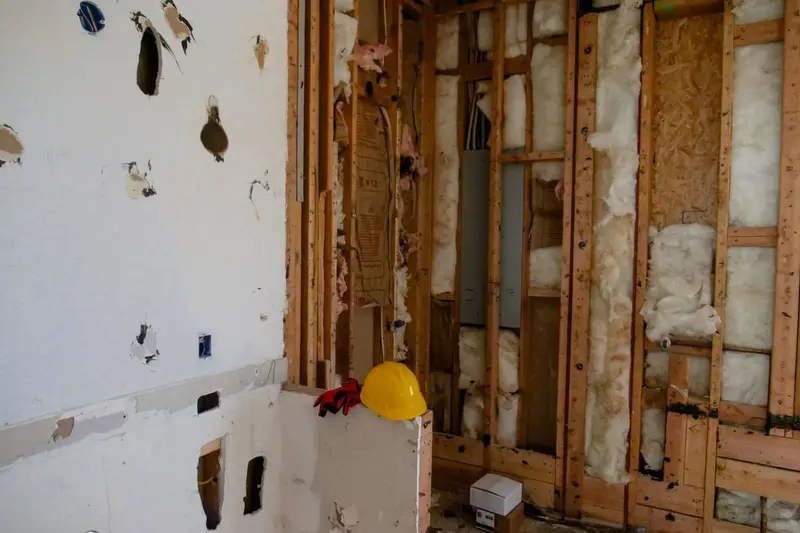
- Wet drywall, insulation and padding removed where needed
- Photos and drying logs for your insurance claim
Covering Cary · Apex · Holly Springs · Morrisville · Raleigh
Request water damage restoration
Moisture mapped, not guessed
Moisture meters and thermal imaging trace how far the water traveled, so drying and tear-out stop where the damage stops.
Mold sealed off first
Moldy areas are closed in with plastic and kept under negative air with HEPA filters, so spores stay out of the rest of the house.
Paperwork insurers expect
Photos, daily moisture logs and an itemized estimate, so a claim has the documentation adjusters ask for.
Why choose us
Dry, clean and documented
A leak becomes a mold problem when the house is not dried in time. Quick extraction, measured drying and proper containment keep one bad day from turning into months of repairs.
- Fast response to active leaks
- Moisture readings every visit
- Containment and HEPA filtration
- Photos and logs for insurance
- Written, itemized estimates
- Local to Cary
What water damage restoration includes
Restoration is one continuous job that runs from the moment the water is stopped to the day the room is back to normal. The industry standard for it, the IICRC S500, breaks it into the same steps every competent crew follows:
- Stop the source. Close the shutoff, cap the line or tarp the roof.
- Inspect and map. Find every wet material, including the ones you cannot see.
- Extract. Pull standing water out of floors, carpet and padding.
- Remove what cannot be saved. Soaked padding, collapsed ceiling drywall, swollen particleboard.
- Dry. Air movers and dehumidifiers, sometimes with wall cavity and floor drying systems.
- Monitor. Readings every day until the materials match the dry parts of the house.
- Repair. Drywall, paint, flooring and trim, once the structure is confirmed dry.
The first 24 to 48 hours
Water does its worst damage early. Drywall wicks it upward, wood flooring and subfloor absorb it and start to swell, and particleboard cabinet bases soften. Mold can begin growing on wet drywall paper and wood within 24 to 48 hours, which is why speed decides how much of a room survives. Emergency water removal the same day keeps most jobs a drying job instead of a demolition job. If you are dealing with water right now, the guide to what to do after water damage lists the steps to take before help arrives.
How far did the water go? Moisture mapping
Water travels farther than the stain suggests. It runs under baseboards and into the next room, soaks up into the wall cavity, spreads beneath vinyl and laminate, and pools under cabinets where nobody looks. Mapping starts with a thermal camera, which shows the cooler patches where water is evaporating, and every suspect area is confirmed with moisture meters. Readings are compared with the same material in a dry part of the house, and the wet boundary is marked on a sketch of the floor plan so drying and tear-out stop exactly where the damage stops.
What can be dried and what has to come out
The answer depends on how clean the water was, how long it sat and what it soaked. The water damage categories guide explains the clean, gray and black water distinction. As a rough guide for a clean-water leak caught early:
| Material | Usually dried in place | Usually removed |
|---|---|---|
| Carpet | Yes, if caught early | If delaminating or contaminated |
| Carpet pad | Rarely | Usually, and always with gray or black water |
| Drywall | Yes, if firm and not sagging | If sagging, crumbling or moldy |
| Wall insulation | Sometimes | Usually if soaked |
| Hardwood flooring | Yes, with drying mats | If buckled beyond recovery |
| Laminate flooring | Rarely | Usually, once the core swells |
| Particleboard cabinet bases | No | If swollen |
Drying the structure
Drying is engineering, not guesswork. Air movers push air across wet surfaces so moisture evaporates, and dehumidifiers pull that moisture back out of the air so it cannot soak into something else. Water inside walls is reached through small holes behind the baseboards, hardwood is dried with mats that draw moisture up through the boards, and the room is closed off so the equipment works on one controlled space. Structural drying covers the equipment and the daily readings in detail.
Stopping water damage from turning into mold
Fast, measured drying is mold prevention. When water has already sat for several days, or came in somewhere no one noticed, growth may have started inside walls or under floors. Any visible mold is handled with containment and removal through mold remediation before drying continues, so spores are not blown around the house by the air movers.
Documentation for your insurance claim
A claim goes smoother with evidence. That means photos before anything is moved, moisture readings for every day of drying, a record of which equipment ran where, and an itemized estimate in the line-item format adjusters use. Keep receipts for anything you buy, and keep samples of removed materials such as a piece of carpet until the adjuster has seen them. The guide to what insurance covers explains what policies typically pay for.
Repairs once it is dry
When the readings say dry, rebuilding starts: drywall, texture and paint, flooring, baseboards and cabinets. Water damage repair explains how texture, paint and flooring are matched so the room does not look patched.
Water damage restoration — common questions
How long does water damage restoration take?
Drying usually takes three to five days for a typical leak, longer for hardwood, plaster or a large flooded area. Repairs follow once readings confirm everything is dry, and take anywhere from a day for a patch to a few weeks for floors and cabinets.
Can I stay in my house during water damage restoration?
Usually, yes. Drying equipment is loud and runs around the clock, but most families stay home. Sewage, widespread flooding or work that needs the power off are the common exceptions.
Will homeowners insurance pay for water damage restoration?
Most policies cover water damage from a sudden, accidental event such as a burst pipe or a failed supply line, including the drying. Gradual leaks and flooding from outside are usually excluded. The insurance guide covers the details.
Why can't I just run fans myself?
Household fans move air but do not take moisture out of it, and they cannot reach water inside walls, under cabinets or beneath flooring. Without meters there is no way to know when the structure is actually dry, which is how mold ends up behind fresh paint.
Does all wet drywall have to be replaced?
No. Drywall wet with clean water and dried quickly can often be saved. Drywall that is sagging, crumbling, soaked with contaminated water or already growing mold is cut out.
Problems this fixes
Often booked with this