Musty smell in the house: how to find the source
A musty smell means something is growing where it is damp, even if you cannot see it. The trick is tracking it to the room, then the wall, then the water behind it.
What you may notice
- An earthy, damp smell that lingers in one room or closet
- Stronger in the morning, after rain or when the AC starts
- Clothes or towels that smell stale after storage
- A smell under sinks or behind the washer
- Allergy symptoms that ease when you leave the house
Tell us what you are seeing
Moisture mapped, not guessed
Moisture meters and thermal imaging trace how far the water traveled, so drying and tear-out stop where the damage stops.
Mold sealed off first
Moldy areas are closed in with plastic and kept under negative air with HEPA filters, so spores stay out of the rest of the house.
Paperwork insurers expect
Photos, daily moisture logs and an itemized estimate, so a claim has the documentation adjusters ask for.
What you are smelling
The earthy, stale smell people call musty is made by living things: mold, mildew and bacteria give off small amounts of gas as they grow, and the nose picks it up at very low levels. That makes a musty smell a useful early warning. Something in the house is damp enough, for long enough, to support growth, often in a place you will not see without opening something up.
Track it room by room
Your nose is a good instrument if you use it methodically:
- Close the house up overnight, then walk through first thing in the morning before windows or doors open. The smell is strongest where it starts.
- Check closed spaces: closets, the cabinet under each sink, the laundry room, the pantry.
- Smell the vents right after the air conditioning or heat switches on, and compare supply vents with the return grille.
- Notice when it is worse: after rain points to roof, window or foundation water; during AC season points to the cooling system or humidity; after showers points to a bathroom.
Common sources in Triangle houses
- Slow leaks under sinks: drain traps and supply lines that drip into the cabinet floor for months.
- Bathrooms: a shower pan or tub drain leaking into the floor, or mold on the back of the drywall around the shower.
- The air conditioning system: a dirty coil, a drain pan holding water, or ducts pulling in air from the attic or crawl space.
- Old water damage: carpet pad or subfloor that got wet once and was dried on the surface only.
- Closets on exterior walls, where cool walls and still air let humidity condense behind stored clothes and boxes.
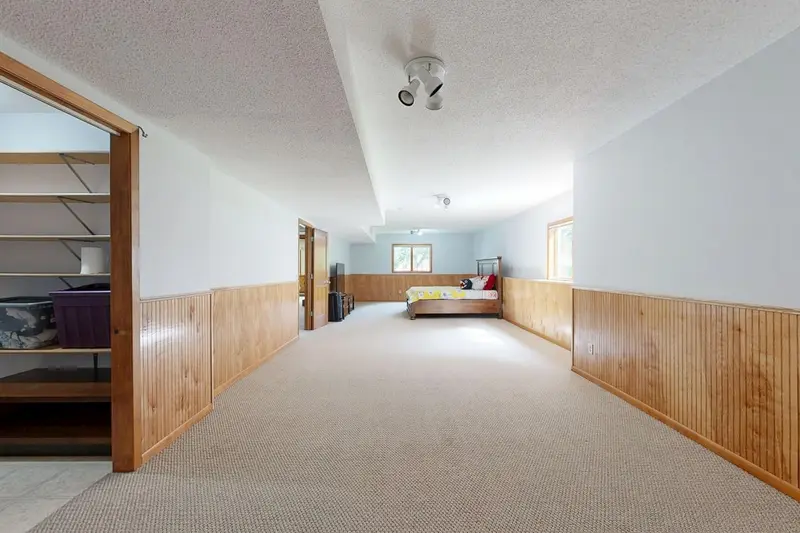
- Finished lower levels, which sit partly below grade and stay cool and damp.
- Air from under the house: in homes built over crawl spaces, damp air from below drifts up through gaps in the floor.
- Attics where a bath fan vents moist air onto the roof deck.
When the smell comes from the HVAC system
A smell that hits when the system starts and fades after a few minutes usually lives in the air handler: water standing in the drain pan, a coil coated in dust and growth, or wet insulation inside the cabinet. The same smell from every vent at once points to the system rather than a room. Mold in air ducts and HVAC covers how that is checked and fixed, and AC leaking water covers drain problems.
Smells that are not mold
- Rotten eggs or sewage: sewer gas from a dry floor drain or shower trap, or a cracked drain line. Run water into unused drains to refill their traps.
- Gas: natural gas has an added rotten-egg odor too. If you smell it, leave the house and call the gas company from outside.
- A sharp, sweet, worsening smell: often an animal that died in a wall, attic or crawl space.
- Burning or hot plastic: an electrical problem; turn off the circuit and call an electrician.
How an inspection finds hidden mold
When you cannot find the source, a mold inspection works from the outside in. Moisture meters on the walls and floors near the smell, a thermal camera to spot damp areas, humidity readings room by room, a look in the attic, crawl space and air handler, and sometimes air samples compared with outdoor air. The goal is not only to confirm mold but to find the water feeding it, because that is what has to be fixed.
Getting rid of it for good
Odor sprays, candles and air purifiers cover the smell for a while, but it comes back as long as something is still growing. The lasting fix is the same every time: stop the moisture, remove the mold and the materials it has grown into through mold remediation, dry what remains, and keep indoor humidity below about 60 percent. Most people notice the house smells different within days of the source being removed.
Musty smell in the house — common questions
What does a musty smell mean?
It usually means mold or mildew is growing somewhere damp and giving off gases as it grows. Sometimes the cause is bacteria in standing water, such as a clogged AC drain pan, or wet carpet padding that never dried.
Can I have mold without seeing it?
Yes. Mold often grows inside walls, under flooring, behind cabinets or in ductwork. A persistent musty smell is one of the best clues that it is there.
Will an air purifier or dehumidifier get rid of the smell?
A dehumidifier helps if the cause is general humidity. Neither fixes a leak or removes mold that is already growing, so the smell returns until the source is dealt with.
When should I get a mold inspection for a smell?
If the smell lasts more than a couple of weeks, follows a leak or flood, or comes with allergy or asthma symptoms, an inspection with moisture readings is worth it.
Other signs of water damage and mold
Not sure where the water is coming from?
Call with what you are seeing and where, or send the details and we will get back to you.