Flood damage cleanup in Cary, NC
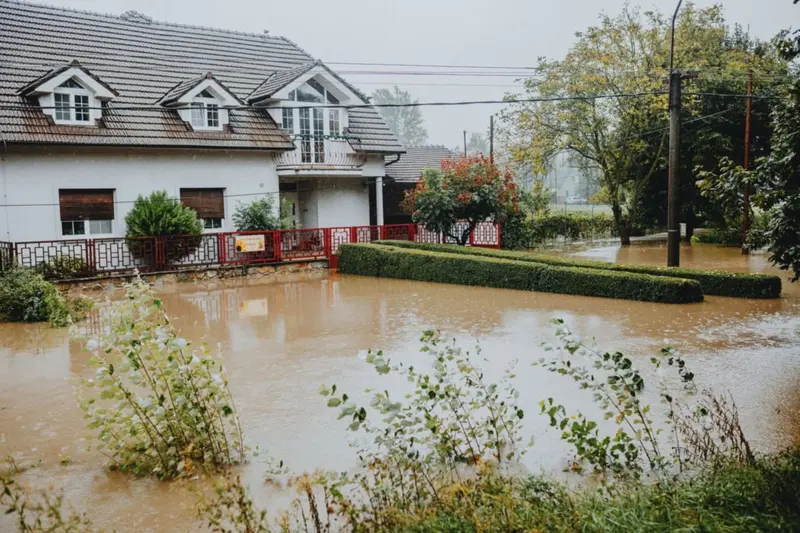
Floodwater from outside is never clean. It carries soil, sewage and chemicals, so cleanup means removing what it soaked, sanitizing what remains and drying the structure before anything is rebuilt.
- Water and mud pumped and shoveled out
- Flood cuts with wet drywall and insulation removed
- Cleaning and antimicrobial treatment of the framing
- Structural drying to a measured dry standard
- Contents sorted and documented for flood insurance
Covering Cary · Apex · Holly Springs · Morrisville · Raleigh
Request flood damage cleanup
Moisture mapped, not guessed
Moisture meters and thermal imaging trace how far the water traveled, so drying and tear-out stop where the damage stops.
Mold sealed off first
Moldy areas are closed in with plastic and kept under negative air with HEPA filters, so spores stay out of the rest of the house.
Paperwork insurers expect
Photos, daily moisture logs and an itemized estimate, so a claim has the documentation adjusters ask for.
Why choose us
Dry, clean and documented
A leak becomes a mold problem when the house is not dried in time. Quick extraction, measured drying and proper containment keep one bad day from turning into months of repairs.
- Fast response to active leaks
- Moisture readings every visit
- Containment and HEPA filtration
- Photos and logs for insurance
- Written, itemized estimates
- Local to Cary
Floodwater is black water
The industry standard sorts water by contamination, and rising floodwater from creeks, streets or yards sits in the worst group, Category 3. It has run through soil, storm drains and often overflowing sewers, and it carries bacteria, fuel, fertilizer and debris into every material it touches. That is why flood cleanup follows different rules from a clean-water pipe leak: porous materials the water reached are removed, not dried. The water damage categories guide explains the system.
How flooding happens in the Triangle
Most flooding here is not a river spreading across a valley. It is creeks rising fast during a stalled storm or a tropical system, and water finding its way into the lowest point of a house. During Hurricane Fran in 1996, Crabtree Creek in Raleigh rose about seven feet above flood stage, flooding Crabtree Valley Mall and nearby neighborhoods. Smaller events happen more often: Walnut Creek, Swift Creek and their tributaries overtopping low streets, water pouring through a garage on a lot graded toward the house, or storm-driven rain coming in around doors and through roofs damaged by fallen trees.
Safety before cleanup
- Keep the power off until an electrician has checked any outlet, panel or appliance that got wet.
- If you smell gas, leave and call the gas company from outside.
- Run generators only outdoors, well away from windows and doors.
- Wear rubber boots, waterproof gloves and eye protection, and an N95 respirator once things start to dry and dust and mold appear.
- Watch for ceilings and floors weakened by water, and for snakes and other animals displaced by the flood.
What gets removed
Anything porous that floodwater soaked is removed and documented:
- Drywall and insulation, with a flood cut at least a foot or two above the highest waterline, often at two or four feet to suit standard sheet sizes.
- Carpet and padding, always.
- Upholstered furniture, mattresses and particleboard furniture that sat in the water.
- Flooring where water got under it, which is almost all of it after a true flood.
Solid wood framing, concrete, tile and metal can usually be cleaned and kept.
Cleaning and sanitizing
Once the wet materials are out, mud and silt are shoveled and washed off, the remaining surfaces are cleaned with detergent and water, and the framing is treated with an antimicrobial before drying. Everything inside the opened walls gets a close look, because silt left in a wall cavity holds moisture and contamination long after the room looks clean.
Drying a flooded house
A flood usually means a large, Category 3 drying job: more air movers, more dehumidification and often desiccant units, with HEPA air scrubbers running throughout. The goal is the same dry standard as any other job, confirmed with readings, but the timeline is longer and the drying cannot start until the contaminated materials are out. Structural drying explains the process, and sewage cleanup covers the extra precautions when sewer lines backed up too.
Under the house
Many Triangle homes sit over crawl spaces, and a flood that barely reaches the first floor can fill the space underneath. Wet insulation falls from the floor framing, the ductwork may hold water, and the soil stays saturated for weeks. Water under the house is pumped out early, and the crawl space is dried along with the rooms above so moisture is not rising into the newly dried floors.
Filing a flood insurance claim
Flood damage is covered by flood insurance, not a homeowners policy. For a National Flood Insurance Program policy, report the loss quickly, photograph everything before it goes to the curb, keep a sample of each type of removed material, such as a square of carpet, and list damaged contents with their approximate age and value. The program generally expects a signed proof of loss within 60 days of the flood, so start the paperwork early. The insurance guide explains how flood, homeowners and sewer backup coverage fit together.
Flood damage cleanup — common questions
Does homeowners insurance cover flood damage?
No. Standard homeowners policies exclude flooding from outside. Flood coverage comes from a separate policy, through the National Flood Insurance Program or a private insurer, and usually has a 30-day waiting period before it takes effect.
Can flooded drywall be saved?
Not when outside floodwater soaked it. It is cut out above the waterline along with the insulation behind it, because the water carried contamination into the wall.
Is it safe to go back into a flooded house?
Wait until the water is gone and the power is off or confirmed safe. Wear boots and gloves, watch for sagging ceilings and soft floors, and never run a generator indoors or in a garage, where carbon monoxide builds up.
What about a flooded furnace, AC or water heater?
Equipment that sat in floodwater needs a licensed technician to check it before it runs again, and much of it is replaced. Ductwork that held floodwater is usually replaced as well.
Often booked with this