Emergency water removal in Cary, NC
Standing water does the most damage in the first hours, soaking into carpet pad, drywall and subfloor. Pumps and extractors pull it out fast so drying can start the same day.
- Fast response to active leaks and standing water
- Submersible pumps for deep water
- Truck-mounted and portable extraction
- Carpet and pad extracted, lifted or removed
- Drying equipment set before the crew leaves
Covering Cary · Apex · Holly Springs · Morrisville · Raleigh
Request emergency water removal
Moisture mapped, not guessed
Moisture meters and thermal imaging trace how far the water traveled, so drying and tear-out stop where the damage stops.
Mold sealed off first
Moldy areas are closed in with plastic and kept under negative air with HEPA filters, so spores stay out of the rest of the house.
Paperwork insurers expect
Photos, daily moisture logs and an itemized estimate, so a claim has the documentation adjusters ask for.
Why choose us
Dry, clean and documented
A leak becomes a mold problem when the house is not dried in time. Quick extraction, measured drying and proper containment keep one bad day from turning into months of repairs.
- Fast response to active leaks
- Moisture readings every visit
- Containment and HEPA filtration
- Photos and logs for insurance
- Written, itemized estimates
- Local to Cary
When water in the house is an emergency
Some water problems can wait for a weekday appointment. These cannot:
- Water is still coming in and you cannot stop it at a valve.
- Water is standing on floors or soaking carpet.
- Water is coming through a ceiling or a light fixture.
- The water came from a toilet, a sewer line or outside flooding.
- Water is near the electrical panel, outlets or appliances.
While you wait, close the main shutoff, turn off power to wet rooms if the panel is dry and safe to reach, move furniture and rugs off wet floors, and take photos of everything. The first 24 hours guide walks through each step.
How water is extracted
The method depends on how much water there is and where it is:
- Submersible pumps move deep water first, from a flooded crawl space, garage or sunken room.
- Truck-mounted extractors have the most suction. The unit stays in the driveway and hoses run inside, so they suit large areas on a first floor.
- Portable extractors go where hoses cannot reach easily, such as upstairs rooms, condos and townhomes.
- Weighted extraction tools are stood on or rolled across carpet to squeeze water out of the pad underneath, which ordinary wands leave behind.
Removing water as a liquid is far faster than evaporating it later. Every gallon pulled out now is a gallon the dehumidifiers never have to deal with.
Carpet and padding
Carpet is usually salvageable after a clean-water leak that is caught early. The padding underneath is a different story: it soaks up water like a sponge, and under the industry standard it is normally thrown out once gray water reaches it. With clean water, a common approach is to lift the carpet at a corner, extract, remove the wet pad and dry the carpet in place before new pad goes in. Carpet and pad both go when the water came from a toilet with waste, a sewer backup or outside flooding. The wet carpet page explains the decision in more detail.
Water under floors, cabinets and inside walls
Visible water is the easy part. Under vinyl plank, laminate and hardwood, water spreads across the subfloor where extraction tools cannot reach. It pools beneath kitchen and bathroom cabinets, and it climbs inside the wall behind the baseboard. Part of emergency removal is finding these pockets with moisture meters and opening access: pulling baseboards, removing cabinet toe kicks and, where needed, lifting flooring so drying can reach the water.
Upstairs leaks and wet ceilings
On a second floor, water does not stay put. It finds the nearest seam, light fixture or vent and comes through the ceiling below, and ceiling drywall holding water can sag and collapse without much warning. Keep people out from under a bulging ceiling. A crew can drain it in a controlled way and decide whether the drywall can be dried or has to come down. See water leaking through the ceiling for what to do in the meantime.
Condos, townhomes and shared walls
In attached homes, water often crosses into the unit next door or below before anyone knows. Tell your neighbors and your HOA or property manager quickly, because the building’s master policy and each owner’s own policy may both be involved. Extraction in shared buildings also means checking the walls and ceilings on both sides of the leak, not just the room where it started.
After the water is out
Extraction is the start, not the finish. Drywall, framing and subfloor still hold water that has to be evaporated and pulled from the air with structural drying. The goal is to set air movers and dehumidifiers before the crew leaves, so drying starts the same day the water came in.
Emergency water removal — common questions
How fast should water be removed?
As soon as possible. Water keeps wicking into drywall and wood every hour it sits, and mold can begin growing within 24 to 48 hours. Extraction the same day limits what has to be torn out later.
Can I use a shop vacuum?
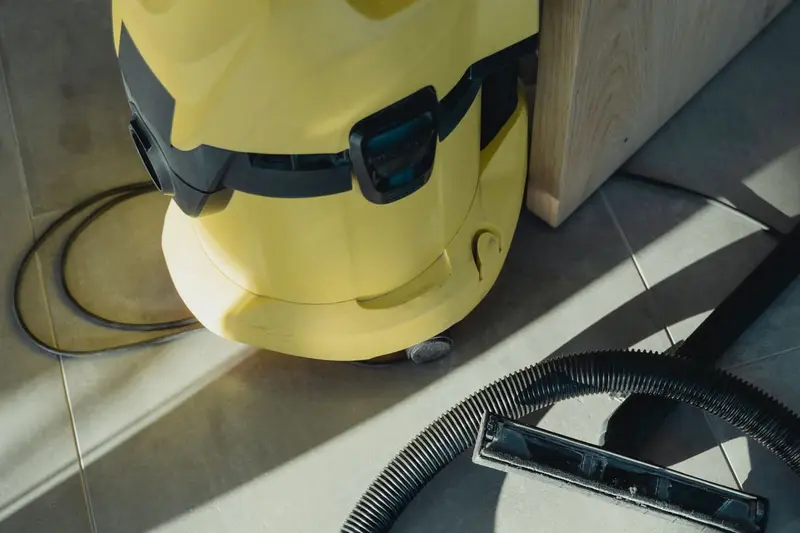
For a small, clean spill on a hard floor, a wet-dry vacuum helps. For soaked carpet or anything more than a puddle it removes too little; professional extractors pull water out of the pad with far more suction, which shortens drying by days.
Should I turn off the power?
If water is near outlets, cords or appliances and you can reach the breaker panel without standing in water, turn off power to the affected rooms. If the panel itself is in a wet area, stay away from it and call an electrician or the power company.
Is it safe to walk on wet carpet?
Water from a supply line is not a health hazard in itself, but wet carpet is slippery and can hide electrical hazards. Water from a toilet, a washer drain or outside flooding should be treated as contaminated, with children and pets kept away.
Problems this fixes
Often booked with this