Cleaning up mold yourself: what is safe and what is not
Small patches of mold on hard surfaces are a reasonable weekend job, and EPA guidance says so. Larger areas, mold in drywall or ductwork, and mold after sewage or floods are not. Here is where the line falls and how to do the small jobs safely.
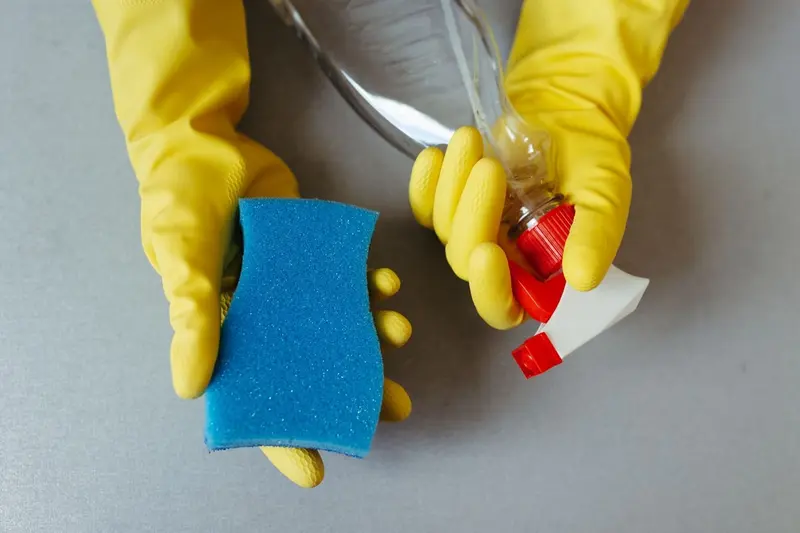
The 10 square foot rule
EPA guidance for homes says that if the moldy area is less than about 10 square feet, roughly a three-by-three-foot patch, you can usually handle the job yourself. Above that, and especially above about 100 square feet, the work calls for trained crews with containment and HEPA equipment. Size is not the only test, though. Even a small area is a professional job when:
- The mold is in a heating or cooling system or its ducts.
- It grew after sewage, a toilet overflow with waste, or outside floodwater.
- It is inside walls, above ceilings or under flooring.
- It has grown into drywall, insulation or other porous material that needs cutting out.
- Anyone in the house has asthma, allergies, lung disease or a weakened immune system.
Fix the water first
Mold cleanup without a moisture fix is temporary. Before you scrub anything, find out why that spot got damp: a drip under the sink, steam with no exhaust fan, condensation on a cold wall, a window leak. Fix it, and dry the area, or the mold will be back in weeks. High humidity in the house covers the most common invisible cause.
What you need
- An N95 respirator that fits snugly; not a cloth or surgical mask.
- Long gloves, rubber or nitrile, that reach the middle of your forearm.
- Goggles without ventilation holes.
- Old clothes you can wash right away, or disposable coveralls.
- Dish soap or a household detergent, warm water and a bucket.
- A scrub brush, sponges and rags you can throw away.
- Heavy plastic trash bags.
- A fan or dehumidifier to dry the area afterward.
Step by step
- Set up. Close the door to the room, open a window if the weather is dry, and turn off the heating and cooling so it does not carry spores around the house. Move belongings out of the way.
- Dampen, do not dust. Lightly mist the moldy area with water or your cleaning solution so spores do not become airborne when you start.
- Scrub. Clean the surface with detergent and water, working from the edges in, and change the water often.
- Wipe and rinse. Remove the residue with clean water and a fresh rag.
- Dry completely, within a day or two, using a fan or dehumidifier.
- Bag the waste. Seal used rags, sponges and paper towels in plastic bags before carrying them through the house.
- Clean up yourself. Wash your clothes right away, and wash your hands and face.
- Check back in a week. Growth that returns means moisture is still getting there.
What you can clean and what must go
- Clean it: tile, glass, metal, sealed countertops, plastic, finished wood furniture and painted, washable walls with surface growth.
- Usually clean it: small areas of surface growth on solid wood framing, scrubbed and dried.
- Replace it: drywall with growth in or behind the paper, ceiling tiles, carpet and pad, insulation, upholstered furniture and mattresses with mold, cardboard and paper goods.
Porous materials can hold mold in their pores where cleaning cannot reach, which is why EPA guidance says moldy absorbent materials may need to be thrown away.
Common spots and how to handle them
- Window sills: wipe condensation off daily in cold weather, clean the mold with detergent and water, and dry the wood. Sills that are soft or black deep into the wood need repair.
- Shower grout and caulk: scrub grout with a stiff brush and a bathroom cleaner. Mold under silicone caulk does not clean out; cut the caulk away, clean and dry the joint, and recaulk.
- Closet walls: take everything out, clean the wall, and let the closet dry with the door open and a fan or dehumidifier running. Wash or dry-clean affected clothing, and throw out moldy cardboard boxes.
- Hard furniture: clean wood, metal and plastic outdoors where possible and dry them in the sun. Upholstered pieces and mattresses with mold growth are usually not worth saving.
What not to do
- Do not dry-brush, sand or vacuum mold with a household vacuum; it puts spores into the air.
- Do not mix cleaning products. Bleach mixed with ammonia or acids produces toxic gas.
- Do not paint or caulk over mold. Remove it and dry the surface first.
- Do not rely on ozone generators or foggers. They do not remove mold, and EPA warns that ozone irritates the lungs.
- Do not blow fans across mold before it is cleaned; fans are for drying afterward.
- Do not keep going if you feel unwell. Stop, ventilate and leave it to a professional.
When to call a professional
Call for help when the area is larger than about 10 square feet, when growth keeps returning after cleaning, when you smell mold but cannot find it, when it is inside walls or the HVAC system, when it follows sewage or flooding, or when a home sale needs documentation. Mold remediation explains what a professional job involves, mold inspection and testing covers finding hidden growth, and the mold remediation cost guide covers pricing.
Keeping it from coming back
Keep indoor humidity below 60 percent, ideally between 30 and 50, as EPA recommends. Run bathroom and kitchen exhaust fans every time and make sure they vent outdoors. Fix leaks promptly and dry anything that gets wet within a day or two. Leave a few inches between furniture and outside walls. The water damage and mold guide explains how these pieces fit together.
Cleaning up mold yourself — common questions
Should I use bleach to clean mold?
It is not necessary for most cleanup. EPA notes the goal is to remove mold, not just kill it, and detergent and water do that on hard surfaces. If you do use bleach, never mix it with ammonia or other cleaners, and ventilate well.
Does vinegar kill mold?
Vinegar can help clean light growth on hard surfaces, but like any cleaner it does not remove mold that has grown into drywall or wood, and it does nothing about the moisture causing it.
What mask should I wear for mold cleanup?
EPA recommends an N95 respirator for small cleanup jobs, along with gloves and goggles without vent holes. A cloth or surgical mask does not filter mold spores well.
Who should not clean up mold themselves?
People with asthma, allergies, lung disease or weakened immune systems should avoid mold cleanup, and children should be kept away. Anyone in those groups should leave the work to someone else.
More water damage and mold guides
Want someone to take a look?
Call and describe what happened or what you are seeing, or send the details and we will follow up.