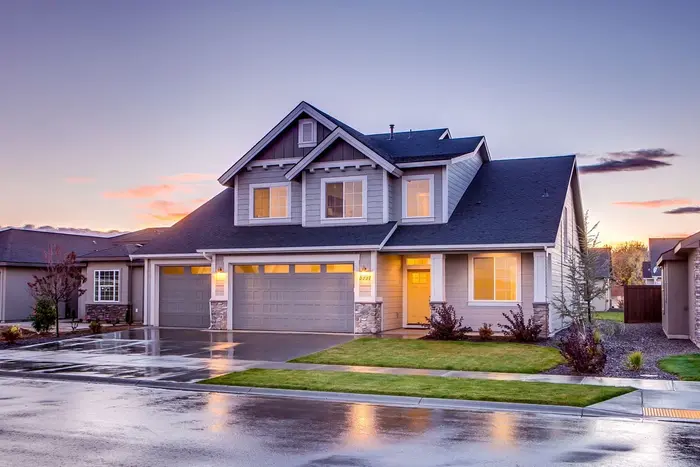
Burst pipe water damage in Cary, NC
A split supply line can release several gallons a minute, so a burst pipe can flood a room before anyone notices. Shut off the main valve, then get the water out and the walls dry before the leak becomes a mold job.
- Help finding and closing the main shutoff
- Extraction and drying of walls, ceilings and floors
- Walls opened only where needed to dry or repair
- Coordination with your plumber
- Photos and moisture logs for the claim
Covering Cary · Apex · Holly Springs · Morrisville · Raleigh
Request burst pipe water damage
Moisture mapped, not guessed
Moisture meters and thermal imaging trace how far the water traveled, so drying and tear-out stop where the damage stops.
Mold sealed off first
Moldy areas are closed in with plastic and kept under negative air with HEPA filters, so spores stay out of the rest of the house.
Paperwork insurers expect
Photos, daily moisture logs and an itemized estimate, so a claim has the documentation adjusters ask for.
Why choose us
Dry, clean and documented
A leak becomes a mold problem when the house is not dried in time. Quick extraction, measured drying and proper containment keep one bad day from turning into months of repairs.
- Fast response to active leaks
- Moisture readings every visit
- Containment and HEPA filtration
- Photos and logs for insurance
- Written, itemized estimates
- Local to Cary
Why pipes burst
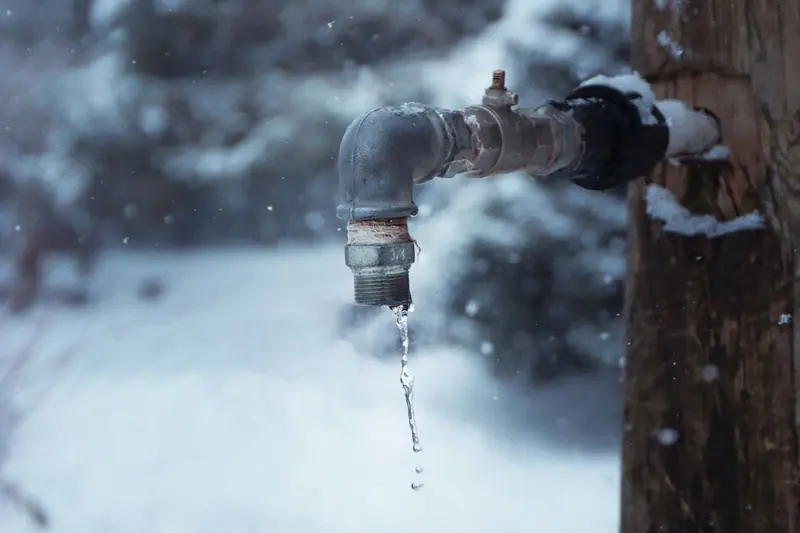
Freezing is the classic cause. Water expands by about 9 percent as it turns to ice, and once a plug of ice forms, the water trapped between it and a closed faucet has nowhere to go. Pressure builds until the pipe splits, often a short distance from the ice itself. Copper splits along a seam, and plastic lines crack or pop at fittings.
Pipes also fail without any help from the weather:
- Polybutylene, a gray plastic supply pipe used in many houses built from the late 1970s to the mid 1990s, is known to fail at fittings and from within as it ages.
- Braided and plastic supply lines to toilets, faucets and ice makers wear out and burst at the crimp.
- Galvanized steel in older houses corrodes from the inside.
- High water pressure without a working pressure-reducing valve strains every joint in the house.
Hard freezes in the Triangle
Central North Carolina does not freeze often or for long, and that is part of the problem. Houses here run pipes through exterior walls, vented crawl spaces and attics that would never pass in a colder state. When a real cold snap arrives, those lines are exposed. On Christmas Eve 2022, the low at Raleigh-Durham International Airport fell to 10 degrees, and Duke Energy ran rolling blackouts that left thousands of homes without heat for stretches of the day. Plumbers and restoration crews spent the following week on burst pipes across the region.
What to do when a pipe bursts
- Close the main shutoff, or the fixture valve if the leak is at a toilet or sink.
- Turn off power to wet rooms if the breaker panel is dry and safe to reach.
- Open a faucet at the lowest point of the house to drain the remaining water out of the lines.
- Catch what is still dripping, and move belongings out of the water.
- Photograph the break, the water and the damage before anything is cleaned up.
- Call a plumber to repair the line and a restoration crew to start drying.
Where the water goes
A burst pipe inside a wall soaks the insulation and runs down the cavity to the floor, spreading under the baseboard into the rooms on both sides. A pipe in the attic or a second-floor bathroom sends water through the ceiling below. A line in the crawl space wets the insulation under the floor and can pool on the plastic or the dirt. Each of these needs moisture mapping, because the damage almost always extends past the visible stain.
Drying out after a burst pipe
Water from a supply line starts out clean, which usually means more can be dried and less has to be torn out. Standing water is extracted, wet insulation is removed from opened walls, and the drywall that stayed firm is dried in place with air directed into the wall cavity. Where the plumber needs access to the pipe, the opening is planned so it doubles as a drying access point. Structural drying explains the setup, and water damage repair covers putting the walls back.
Burst pipes and insurance
Most homeowners policies treat a burst pipe as sudden and accidental damage. Many also pay to tear out and replace the wall or floor needed to reach the leak, though not to fix the failed pipe itself. The freeze exclusion is the one to know: damage may not be covered if the house was left unheated and the water was not shut off and drained. The insurance guide covers the details.
Keeping it from happening again
- Keep the heat on, at 55 degrees or higher, whenever freezing weather is forecast, including when you are away.
- On the coldest nights, let faucets on exterior walls drip and open the cabinet doors under sinks.
- Insulate pipes in the crawl space, attic and garage, and close crawl space vents in winter if they are the kind that open and close.
- Disconnect garden hoses and shut off and drain outdoor faucets before the first freeze.
- Replace polybutylene and aging supply lines, and consider an automatic shutoff valve with leak sensors for a house that sits empty.
Burst pipe water damage — common questions
Where is my main water shutoff?
In most Triangle houses it is where the water line enters: in the crawl space, a garage, a utility closet or near the water heater. There is also a valve at the meter box near the street, which the water utility can close if you cannot find yours.
Why did the pipe leak only after it thawed?
Ice seals the split while the pipe is frozen. When it thaws, water under full pressure pours through, which is why burst pipes are usually discovered the morning after a freeze or when someone comes home.
Does insurance cover burst pipes?
Usually, as a sudden and accidental discharge. Policies can exclude freeze damage in a house left unheated without the water shut off and drained, so keep the heat on when you travel in winter.
Which pipes freeze in Triangle houses?
Pipes in exterior walls, crawl spaces, attics and garages, lines under sinks on outside walls, hose bibs and irrigation backflow preventers. Houses here are not built for long freezes, so a few nights in the teens can be enough.
Problems this fixes
Often booked with this